A New Home—and an Unexpected HVAC Problem
Buying a new home should bring peace of mind—not unexpected heating and cooling problems.
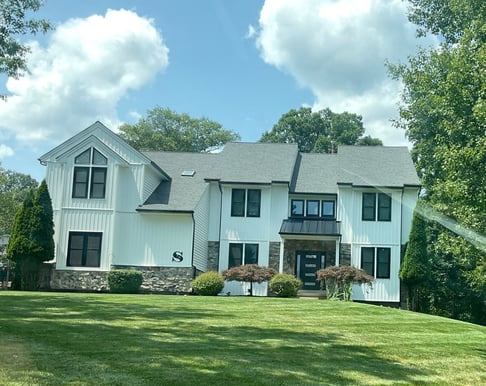
When our Customer purchased his home, he and his growing family quickly discovered that one of the home's air conditioning systems had failed during the middle of July. With a newborn at home and summer temperatures climbing, restoring reliable comfort became a priority.
After inspecting the equipment, our service technician Brian discovered refrigerant leaks in both the indoor and outdoor coils of the downstairs air conditioning system. The upstairs HVAC system was also approximately 18 years old and approaching the end of its expected service life.
Rather than rushing into replacing equipment based only on what was already installed, Our Project Manager Evan took the time to evaluate the home's actual heating and cooling needs.
Looking Beyond the Equipment
Many homeowners assume that replacing an HVAC system means installing equipment with the same size and capacity as the previous system.
Unfortunately, that's one of the most common reasons homes continue experiencing comfort issues for years after a replacement.
Instead of relying on the existing equipment, our team performed a detailed heat load calculation to determine exactly how much heating and cooling the home required.
The results were surprising.
Both existing furnaces were oversized, and one of the air conditioning systems was undersized for the portion of the home it served.
7 reasons why heat load calculations matter:
A properly performed heat load calculation considers factors including:
1. Square footage2. Window placement and solar exposure
3. Insulation levels
4. Air leakage
5. Ceiling heights
6. Occupancy
7. Home orientation
This allows HVAC equipment to be selected based on how the home actually performs—not simply what was installed years ago.
Without this process, homeowners can unknowingly invest thousands of dollars into another improperly sized system.
The Problems with Improperly Sized HVAC Equipment
5 Problems With Oversized Heating Systems
1. Frequent short cycling
2. Increased equipment wear
3. Reduced efficiency
4. Uneven room temperatures
5. Less consistent comfort
5 Problems With Undersized Air Conditioning Systems
1. Difficulty keeping up during extreme summer temperatures2. Longer run times
3. Higher energy consumption
4. Increased strain on components
5. Reduced humidity control
Proper sizing helps balance comfort, efficiency, and long-term system reliability.
Building a Long-Term Comfort Solution
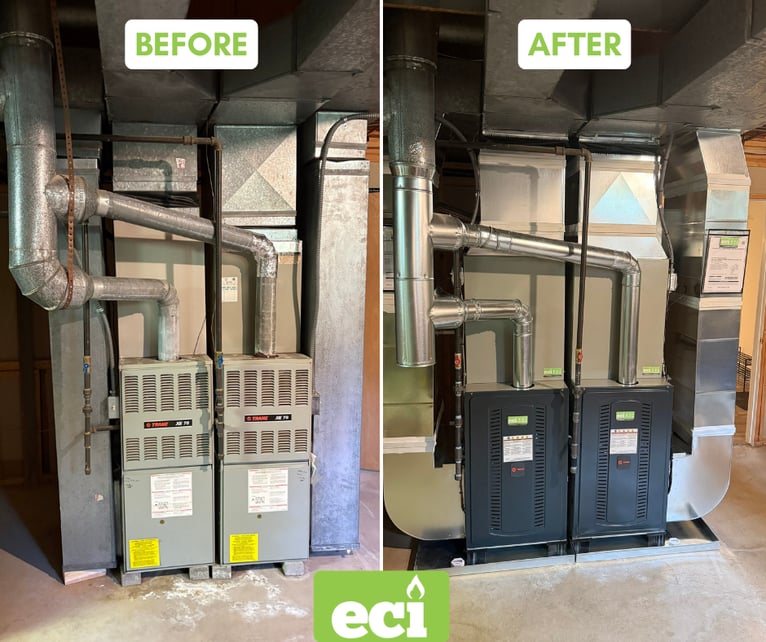
After reviewing the findings of the heat load calculation, the homeowners decided replacing both aging systems offered the best long-term value.
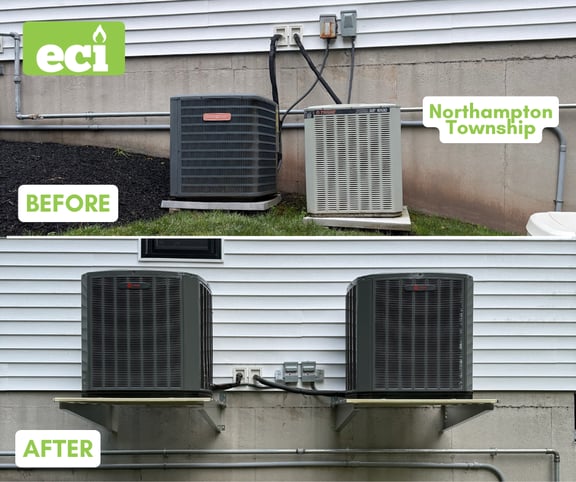
Two new Trane heating and cooling systems were installed, each properly sized for the home's actual heating and cooling requirements.
To further improve year-round comfort, we also installed two whole-home humidifiers to help maintain healthy indoor humidity during Pennsylvania's dry winter months.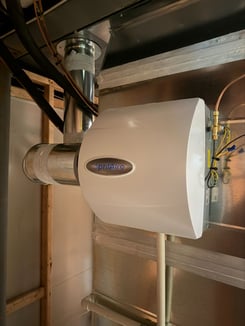
Additional system protections included:
- Secondary drain pans
- Water safety shutoff sensors
- Wall-mounted outdoor equipment brackets to accommodate the home's sloped landscape and help maintain long-term equipment stability
These design decisions focused on protecting both the HVAC equipment and the home itself.
Why HVAC Design Matters More Than the Brand
While selecting quality equipment is important, even the best heating and cooling system can underperform if it isn't properly designed for the home.
Every replacement project should begin with understanding the home's actual heating and cooling requirements—not making assumptions based on the existing equipment.
That's why every recommendation we make starts with evaluating the home first, so homeowners can make informed decisions with confidence.
Frequently Asked Questions
What is a heat load calculation?
A heat load calculation (often called a Manual J calculation) determines the correct heating and cooling capacity a home requires based on its size, insulation, windows, orientation, and other factors.
Why shouldn't I replace my HVAC system with the same size unit?
Existing equipment isn't always correctly sized. Many homes have oversized or undersized systems that reduce comfort and efficiency. A heat load calculation ensures replacement equipment matches the home's actual needs.
How do I know if my HVAC system is oversized?
Signs may include short cycling, uneven temperatures, excessive humidity, higher utility bills, and frequent repairs. A professional evaluation can determine whether your equipment is properly sized.
Do you perform HVAC load calculations in Bucks County and Philadelphia?
Yes. Every replacement recommendation begins with evaluating the home's heating and cooling requirements so equipment is selected based on performance—not assumptions.
Thinking About Replacing Your HVAC System?
If your heating or cooling system is aging—or you're not sure whether it's properly sized—the best place to start is with a professional evaluation.
At ECI Comfort, we believe every homeowner deserves recommendations based on data, not guesswork. Our process includes evaluating your home's heating and cooling needs so you can choose a solution designed for long-term comfort, efficiency, and reliability.
Schedule your free HVAC replacement consultation today and discover what the right-sized system can do for your home.