How Can an Older Home Get Central Air Without Large Ducts?
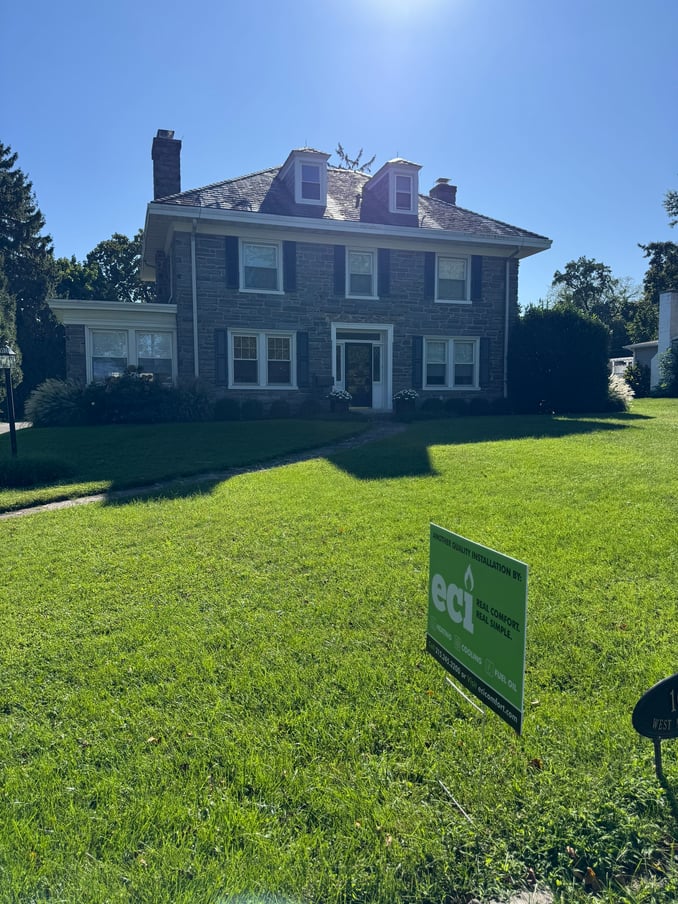
Installing central air in a historic home calls for a careful look at where ductwork can go. Conventional ducts may require space that the home was never built to provide.
A high-velocity air-conditioning system uses smaller, flexible supply ducts. Depending on the home’s layout, those ducts can often be routed through existing walls, ceilings, closets, and other available spaces. For these homeowners, that made it possible to plan central cooling for the second and third floors while limiting changes to the home’s finished areas. The goal was straightforward: make the upper floors more comfortable while respecting the structure and details that made the house feel like home.
Designing for Quiet Comfort
Noise was one of the homeowners’ main reasons for moving away from window units. A new cooling system needed to address that concern as part of its design. With high-velocity air conditioning, the number and placement of supply outlets affect how air enters each room. Using more outlets per ton spreads airflow across more locations, so each outlet carries less air than it would in a design with only a few outlets. 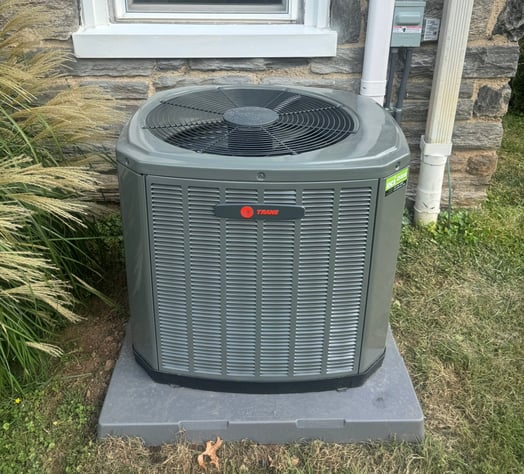
Sound attenuation is another part of a quiet installation. Where the available space allows, ECI incorporates approximately 12 feet of sound attenuator, which helps reduce airflow sound before it reaches the living areas. Together, careful outlet placement and sound attenuation support the quieter operation these homeowners were looking for.
Cooling the Upper Floors First
The homeowners chose to begin with the second and third floors rather than commit to cooling all three stories at once. Those upper floors were their priority, and a phased approach let them make the first improvement before deciding what the rest of the home might need.
Once they have lived with the new system, they can evaluate comfort on the first floor. If that level needs additional cooling, a separate system can be considered in a future phase.
A New Chapter for an Older Home
The new high-velocity system gives the second and third floors a permanent central-air solution. In the areas it serves, it can replace the seasonal work of installing and storing window units while freeing up window space and daylight.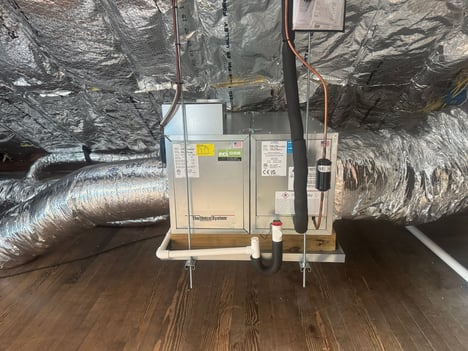
For this family, the project was about enjoying modern comfort in the home they already loved. High-velocity air conditioning made room for that next chapter without asking them to give up the character of their early-1900s house.

ECI Comfort specializes in installing High Velocity systems in and around Bucks, Montgomery, and Philadelphia area. If you are interested and would like to know more, click the button above or reach us at (215)245-2300 or info@ecicomfort.com